15 Essential Accounts Payable Trends for 2026

Blaine Sanderson    January 29th, 2026

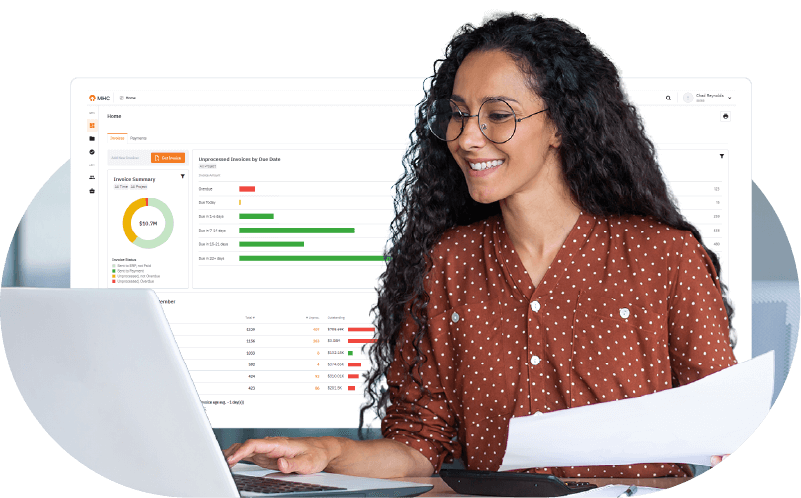
Highly skilled woman reviewing documents, representing automation and engineering solutions, with large "2026" behind her for future growth; ideal for automation, technology, and industrial innovation.

AP Enters Its Next Phase of Maturity 

Heading into 2026, accounts payable is moving into a new stage of maturity, where automation and AI are no longer optional initiatives but foundational capabilities. 

AP teams are no longer focused solely on digitizing paperwork or automating individual tasks. Instead, they are rethinking the entire invoice-to-pay process—connecting invoices, approvals, payments, controls, and audit trails into more cohesive, end-to-end workflows. AI is accelerating this shift by helping teams identify exceptions earlier, reduce risk, and maintain momentum without constant manual intervention. 

In 2026, the conversation moves beyond whether to automate and toward how effectively systems work together. Leading organizations are using automation and AI to improve visibility, strengthen security, and scale AP operations without adding complexity—positioning AP as a more resilient, data-driven function within finance. As Gina Armada, former CEO of MHC Automation, explains: 

Gina Armada HeadshotINSIGHT FROM MHC
“In 2026, automation and AI form the foundation of modern accounts payable. They enable AP teams to operate with greater confidence—managing risk proactively, scaling efficiently, and contributing more strategically to the business.” 

~ Gina Armada, former CEO of MHC

AP Trends for 2026

AP Trends for 2026 - Key Takeaways

  • Automation is the baseline: Manual and fragmented AP processes are quickly becoming the exception.
  • AI is practical, not theoretical: It’s being used to handle exceptions, detect anomalies, and improve decision-making.
  • Paperless AP is advancing—but unevenly: Progress is real, but many organizations still rely on paper in key areas.
  • Security and fraud prevention stay front and center: Controls are being built directly into AP workflows.
  • AP’s role continues to expand: Visibility, risk management, and operational insight matter more than ever.

1. End-to-End AP Automation Advances

As organizations head into 2026, automation remains the defining force shaping accounts payable trends—not because it is new, but because most AP teams still haven’t gone far enough.

While many organizations have automated parts of invoice processing, only a small percentage have automated end-to-end across the full invoice-to-pay lifecycle.  That gap is evident in how AP automation is deployed today. 

Mark Brousseau notes that “only 9% of AP departments today are fully automated with invoices flowing touch-free into ERP systems, while about 5% remain completely manual and paper-based. While 77% of AP departments have deployed some form of automation, 66% still manually handle most of their supplier invoices—a clear sign that most organizations are stuck in a hybrid state. “

Key Takeaways

  • End-to-end automation defines the shift from partial digitization to fully connected AP operations.
  • Most AP teams remain in a hybrid state, with fragmented tools limiting scalability and control.
  • End-to-end automation enables security, paperless processing, efficiency, AI adoption, and improved supplier relationships.
  • Market investment signals that AP automation is becoming a strategic priority for finance leaders.
  • True end-to-end platforms provide the structure needed to scale operations without increasing risk or headcount.
  • Organizations that modernize AP holistically are better positioned for resilience and future innovation.

The issue isn’t access to technology, but how it’s been applied. Many organizations have taken a piecemeal approach, automating individual tasks without redesigning AP processes end to end. 

This fragmented model introduces manual handoffs, workarounds, and inconsistent controls that limit scalability and reduce the overall impact of automation investments. The consequences are material. Manual processes contribute to high error rates, with Mary Schaeffer citing that 39% of invoices contain errors by relying on human review rather than embedded controls. As invoice volumes increase and payment risks grow, partial automation becomes harder to sustain and more costly to manage. 

End-to-end AP automation addresses these challenges by connecting invoice intake, validation, approvals, posting, and payments into a single, governed workflow. When AP operates as one continuous process, organizations: 

  • Reduce manual intervention 
  • Improve accuracy 
  • Strengthen fraud prevention 
  • Gain consistent visibility across the invoice-to-pay lifecycle 

AP Automation Must-Have Features for 2026

As organizations move from partial automation to full transformation, advanced accounts payable automation platforms are increasingly defined by a focused set of core capabilities: 

-> Invoice automation and unified intake 

Centralized capture of invoices from email, EDI, portals, and scans to reduce manual sorting and rekeying.

->AI-powered data extraction, validation, and matching

AI-assisted and rules-based checks to improve accuracy, reduce invoice errors, and flag anomalies early in the process.

-> Configurable, rules-driven approval workflows

Automated routing based on amount, vendor, or exception type to eliminate email approvals and delays while maintaining control.

-> Payment process automation with digital payment methods

Integrated execution of ACH and virtual card payments within the AP workflow to reduce manual steps, improve security, and accelerate settlement.

-> Built-in controls for error reduction and fraud prevention

Embedded validations, audit trails, and role-based access to minimize human error and reduce exposure to payment fraud.

-> Cloud-based platform architecture

Cloud delivery to support scalability, faster updates, stronger security, and hybrid work—while enabling AI-powered features and analytics.

These capabilities reflect how modern AP automation platforms—such as those offered by MHC —are being designed to support fully connected, future-ready AP operations. 

End-to-end Automation Unifies Other Trends

End-to-end automation across the full invoice-to-pay lifecycle is our top AP trend for 2026 not only because it is strategically important and companies have not done enough, but also because it enables nearly every other major transformation underway in the function.  

End-to-end automation enables the outcomes AP teams are being asked to deliver in 2026, with many listed as stand-alone trends in this report, including: 

1. Stronger security and fraud prevention

Standardized workflows, embedded controls, and audit trails reduce manual errors and help detect anomalies before payments are issued.

2. Paperless invoice processing and payments

Digitizing invoices, approvals, and documentation end to end accelerates processing, lowers costs, and supports sustainability goals.

3. Greater efficiency and scalability

Automation eliminates manual rekeying and email-based approvals, allowing AP teams to handle higher volumes without adding headcount.

4. Practical AI adoption

Integrated workflows provide the structure AI needs to support exception handling and prioritization without introducing new risk.

5. Improved supplier relationships and visibility

Faster, more accurate processing improves payment predictability, reduces disputes, and gives AP leaders real-time insight across the invoice-to-pay lifecycle.

In 2026 as AP leaders look ahead, the message is clear: organizations that continue to rely on partial automation will struggle to scale, control risk, and meet performance expectations. Those that invest in end-to-end automation will be better positioned to process higher volumes, respond faster to the business, and build a resilient foundation for more advanced capabilities in the years ahead. 

Expert Forum AP Automation

Gina Armada HeadshotINSIGHT FROM MHC
“End-to-end automation is becoming the foundation for how finance functions evolve. As organizations look ahead, the goal isn’t just faster processing—it’s building connected, resilient operations that can adapt to change, manage risk, and continuously improve how work gets done. Accounts payable is at the center of that shift.” 

~ Gina Armada, former CEO of MHC

High-Volume Document Generation_Mary SchaefferINSIGHT FROM AP Now
“Although not everybody’s using AP automation today, its use will soon be a no-brainer. It’s cost-effective and the models have gotten much more user-friendly. It doesn’t take six weeks to install. You don’t need to get advanced training. I believe that everybody will eventually be using this, just like everybody uses Excel today.” 

Mary Schaeffer, Founder and Publisher of AP Now 

Mark Brousseau HeadshotINSIGHT FROM BROUSSEAU & ASSOCIATES
“Many organizations believe they have automated accounts payable, but most have only automated pieces of the process. The greatest value comes from designing AP as a true end-to-end workflow—where invoices flow seamlessly from intake through approval and posting with minimal manual intervention. That’s when organizations achieve scalability, control, and long-term resilience.” 

Mark Brousseau, Brousseau & Associates 

Dig Deeper: Follow-up Resources

SOLUTION OVERVIEW

Explore how end-to-end AP automation connects invoice capture, approvals, posting, and controls into a single, governed workflow—helping organizations move beyond partial automation and scale with confidence.

WEBINAR

Watch this session to learn how AP leaders are using automation, visibility, and process standardization to navigate uncertainty, manage risk, and build more resilient finance operations. 

GUIDE

Download this guide to understand must-have capabilities, evaluation criteria, and common pitfalls to avoid when selecting an AP automation solution designed for end-to-end transformation.

2. AI and Hyperautomation Accelerate the AP Lifecycle

Artificial intelligence is rapidly expanding what accounts payable automation can accomplish and is becoming a defining force behind today’s AP automation trends. In 2026, AI and machine learning are no longer limited to isolated tasks; they are increasingly embedded across the invoice lifecycle, accelerating automation from intake through coding, approvals, exception handling, and posting. 

This shift toward hyperautomation reflects the growing role of AI in reducing manual effort while improving speed, accuracy, and consistency. Generative AI improves how invoice data is interpreted and summarized, while more advanced, agent-driven approaches support intelligent routing, exception resolution, and next-step actions within established workflows. Together, these capabilities move AP automation beyond static, rules-based processes toward systems that can adapt to real-world complexity. 

Key Takeaways

  • AI is accelerating automation across the entire AP lifecycle.
  • Hyper automation combines AI, machine learning, and workflows to reduce manual effort and cycle times.
  • Generative and agent-driven AI improve invoice classification, routing, and exception handling.
  • AP roles are evolving toward oversight, judgment, and exception management.
  • Embedded AI within governed AP platforms is safer and more sustainable than open AI tools.

Crucially, AI delivers the greatest value when it operates inside end-to-end AP automation platforms, where data is structured, controls are enforced, and actions are auditable. Rather than replacing AP professionals, AI increasingly functions as a co-pilot—helping teams work faster and smarter without compromising governance. 

AI Skill Adoption for AP Specialists

As AI delivers more value to AP professionals, Mary Schaeffer emphasizes the importance of learning to work effectively with AI—knowing how to ask the right questions, refine prompts, and verify results. 

In addition, as AI becomes embedded in AP automation systems, AP specialists are increasingly expected to use it to reduce manual effort and speed decision-making such as: 

  • Exception-focused invoice reviews – Reviewing and validating AI-extracted invoice data, with attention focused on anomalies rather than routine entries. 
  • AI-assisted approval routing – Using intelligent recommendations to identify approvers and prevent approval delays. 
  • Contextual invoice summaries – Relying on AI-generated summaries to quickly understand discrepancies or exception causes. 
  • Risk-based prioritization – Applying AI-supported prioritization to address invoices that pose payment, compliance, or supplier risk. 

Expert Forum AP Automation

Gina Armada HeadshotINSIGHT FROM MHC
“Fraud is one of the biggest concerns we hear about. Businesses know there are all kinds of threats out there, but they don’t always know what can be done to prevent them. The peace of mind our customers get when they entrust more of their fraud prevention efforts to the MHC NorthStar system is one of our biggest points of pride.” 

~ Gina Armada, former CEO of MHC

INSIGHT FROM RECHARGED EDUCATION
“Many organizations spend so much time and energy focusing on external fraud threats that they forget about internal fraud threats, which can happen just as often. If you’re only looking in one direction, you can miss what might be happening right in your house.” 

Lynn Larson, Principal, Recharged Education 

High-Volume Document Generation_Mary SchaefferINSIGHT FROM AP Now
“Criminals are not going away, and they’re smart. Don’t underestimate them. Accounts payable will continue to be a prime target, because criminals have figured out that AP is the gatekeeper of the company’s money.” 

Mary Schaeffer, Founder and Publisher of AP Now 

Dig Deeper: Follow-up Resources

BLOG

Read this blog to explore how AI is realistically being applied in AP today, common misconceptions that persist, and how organizations can adopt AI responsibly within automation workflows.

3. Fraud Risk and Payment Risk Remain High

Fraud targeting accounts payable and payments continues to escalate, making it one of the most urgent AP trends for 2026. Recent industry research shows that 47% of companies experienced fake invoice scams over the past year, underscoring how widespread social-engineering-driven fraud has become. 

Tactics such as vendor impersonation, business email compromise, and payment redirection schemes are growing more sophisticated—often amplified by AI-driven tools that help fraudsters scale and automate attacks. 

External actors are using AI-driven attacks to automate fraudulent documents and intercept payment workflows, increasing risk for organizations reliant on manual or disconnected AP processes. 

Without consistent controls, real-time validation, and centralized audit trails, AP teams struggle to detect anomalies early or stop fraudulent payments before funds leave the organization. 

Key Takeaways

  • Fraud continues to be a top risk for AP organizations, with high percentages experiencing attempted attacks.
  • Modern AP automation platforms reinforce security, detect anomalies, and mitigate vulnerabilities more effectively than legacy processes.
  • Payments and fraud schemes are evolving in scale and sophistication, including AI-assisted attacks.
  • Both external and internal fraud threats require vigilant controls and daily operational attention.
  • Embedding fraud prevention into AP workflows strengthens governance and reduces exposure.

This reality highlights why legacy AP environments are increasingly vulnerable. In contrast, modern AP automation platforms embed security directly into invoice-to-pay workflows through standardized controls, machine-assisted anomaly detection, and detailed audit logs for every invoice and payment event. Cloud-based AP automation further strengthens this posture through stronger authentication, tokenized payments, and real-time protection—broader accounts payable automation trends focused on fraud mitigation and risk reduction. 

Industry voices reflect both the urgency of the threat and the practical response AP teams are adopting. Mary Schaeffer notes that criminals increasingly target AP because it sits at the center of organizational cash flow, while Lynn Larson emphasizes that internal risks—not just external schemes—require strong controls and oversight. Gina Armada adds that fraud prevention is a daily operational challenge, and that customers gain greater peace of mind when automated systems take on more of that burden. 

As fraud risk remains a defining issue, organizations that invest in secure, automated AP solutions are better positioned to defend against both today’s threats and the next wave of sophisticated attacks. By embedding security into core AP workflows, teams can reduce reliance on error-prone manual checks, gain earlier visibility into anomalous activity, and improve governance across the invoice-to-pay lifecycle. 

Expert Forum AP Automation

Mark Brousseau HeadshotINSIGHT FROM BROUSSEAU & ASSOCIATES
“AI is a co-pilot for us in our jobs. It can become a personal assistant. It will eradicate the things we don’t like about our jobs, like having to manually key data, or determine who an approver is, or manually generate reports in a spreadsheet. Artificial intelligence can transform the invoice-to-pay process from end to end.” 

Mark Brousseau, Brousseau & Associates 

High-Volume Document Generation_Mary SchaefferINSIGHT FROM AP Now
“This is not the first evolution we’ve seen in accounts payable. We’ve seen desktop computers, Excel, and the internet radically change how AP work gets done without eliminating the role. AI is another shift like that—and knowledge of how to use it is quickly moving to the top of the skills companies are looking for.” 

Mary Schaeffer, Founder and Publisher of AP Now 

Dig Deeper: Follow-up Resources

BLOG

Read this blog to explore how AI is realistically being applied in AP today, common misconceptions that persist, and how organizations can adopt AI responsibly within automation workflows.

4. Security Becomes Built-In, Not Bolted On

With accounts payable a prime target for fraud, security is an unavoidable AP trend heading into 2026. AP teams sit at the intersection of money movement and sensitive data, which means even small process gaps can create outsized risk. 

As fraud schemes grow more sophisticated—through impersonation, social engineering, and AI-assisted attacks—manual reviews and disconnected systems are becoming harder to defend. 

What’s changing is how organizations approach protection. Rather than asking AP teams to catch every issue themselves, more organizations are embedding security directly into automated AP and payment workflows. 

In the clip below on secure payments, Kevin Monroe, Senior Account Executive at Bottomline, explains that AP teams “aren’t fraud fighters.” 

Key Takeaways

  • AP remains a high-value target for increasingly sophisticated fraud schemes.
  • Manual processes and partial automation increase exposure to human error.
  • Built-in security shifts responsibility from people to systems.
  • Secure payment platforms protect funds while improving efficiency.
  • Modern AP security focuses on resilience, not reaction.

Monroe also notes that handling payments at scale through secure platforms allows teams to “sleep well at night knowing your payments are being secured”—while also creating opportunities for payment rebates that return value to the business. 

This shift toward system-embedded security reflects a broader realization: security works best when it’s built into the system, not layered on through extra checks and manual vigilance. Automated validations, controlled approval paths, and secure payment rails reduce reliance on human judgment alone—especially important given that human error remains one of the most common contributors to fraud.  

Looking ahead, AP security in 2026 is less about doing more and more, and more about putting the right technology in place so teams can process payments efficiently, confidently, and with far less risk. 

Expert Forum AP Automation

Mark Brousseau HeadshotINSIGHT FROM BROUSSEAU & ASSOCIATES
“Making the most of your technology includes making sure that any solution you look at has ironclad security and a product roadmap to deal with constantly evolving technologies.” 

Mark Brousseau, Brousseau & Associates 

INSIGHT FROM RECHARGED EDUCATION
“Seventy-four percent of all data breaches involve a human element. That’s where many weaknesses happen—often through people who are simply trying to be helpful.” 

Lynn Larson, Principal, Recharged Education 

Blaine K Sanderson HeadshotINSIGHT FROM MHC
“Security going forward is about designing systems that reduce risk by default—embedding controls and visibility directly into everyday AP workflows.” 

Blaine Sanderson, Senior Product Manager Procure-to-Pay, MHC 

Dig Deeper: Follow-up Resources

BLOG

Explore common AP security gaps and practical strategies for reducing fraud risk through automation and stronger controls.

5. Electronic Payment Adoption Continues

Electronic payment adoption accelerated in 2025 as organizations pushed further toward paperless, automated accounts payable workflows. 

Adoption of electronic invoicing has increased by more than 20% globally over the past five years, signaling steady progress. 

Yet adoption remains uneven. While vendors overwhelmingly prefer electronic payments, many AP teams still rely on paper checks for part of their payment volume due to legacy systems, supplier onboarding challenges, or limited visibility into alternatives. 

That gap remains significant. Nearly 80% of vendors prefer to be paid electronically, yet 75% of companies still use paper checks for at least some transactions. 

Looking ahead, accounts payable trends for 2026 point to continued momentum as organizations align payment strategies with broader AP automation efforts. 

Key Takeaways

  • Electronic payment adoption is accelerating as AP teams advance toward fully paperless workflows.
  • Vendor preference for electronic payments remains high, but AP adoption still lags due to legacy systems and onboarding barriers.
  • ACH usage is rising, and newer options like premium ACH and virtual cards are gaining traction for added speed, security, and financial return.
  • Modernizing payment strategy is becoming a strategic lever—not just an operational choice—for AP teams.
  • Integrating electronic payments into end-to-end AP automation reduces costs, increases predictability, and unlocks rebate opportunities.

ACH usage continues to rise, while newer options—such as premium ACH and virtual card programs—are gaining traction for their added security, faster settlement, and financial benefits. 

As AP becomes more strategic, payment decisions are no longer just operational—they’re financial levers. Teams that modernize their payment mix and embed electronic payments into end-to-end AP automation are better positioned in 2026 to reduce costs, improve predictability, and unlock incremental value such as payment rebates.  

Expert Forum AP Automation

Mark Brousseau HeadshotINSIGHT FROM BROUSSEAU & ASSOCIATES
“More and more organizations are moving from paper checks to electronic payments. Whether you’re paying a supplier with ACH or a virtual card, electronic payments are faster, more secure, and provide better transparency.”

Mark Brousseau, Brousseau & Associates 

High-Volume Document Generation_Mary SchaefferINSIGHT FROM AP Now
“We are all heading toward a paperless accounts payable department. I like to say the dream is within our grasp. We’ve done a really good job getting rid of those paper invoices.” 

Mary Schaeffer, Founder and Publisher of AP Now 

INSIGHT FROM TREASURY WEBINARS
“Accounts payable is no longer just about paying invoices—it’s about controlling how and when payments move through the organization. That’s where AP delivers real strategic value.” 

Ernie Humphrey, CEO, Treasury Webinars 

Dig Deeper: Follow-up Resources

WEBINAR

Watch this session to explore how modern AP teams are using payment strategy, automation, and supplier collaboration to move beyond transactions and deliver measurable business value.

6. Visibility Grows More Critical in AP

Lack of visibility remains one of the most persistent challenges shaping accounts payable trends as organizations head into 2026.

Manual data entry, spreadsheets, and email-based approval routing make it difficult for AP teams to see where invoices are in the process or where exceptions and bottlenecks are occurring.

As a result, issues are often discovered too late—leading to delayed payments, avoidable errors, and unnecessary operational risk.

This lack of transparency has long been a concern for finance leaders with 42% citing improved visibility into their AP processes as a priority. 

As invoice volumes grow and fraud risks evolve, operating without clear, real-time insight has become a liability rather than an inconvenience.

Key Takeaways

  • Lack of real-time visibility continues to limit AP performance and increase risk.
  • Manual tools and email-based workflows make it difficult to identify bottlenecks and exceptions early.
  • Visibility now supports more than invoice tracking—it impacts cash planning, supplier management, and decision-making.
  • Real-time dashboards are becoming a core requirement of AP automation in 2026.
  • Centralized, automated workflows provide the transparency AP teams need to operate proactively instead of reactively.

In 2026, as AP operations become more automated, visibility is no longer just about tracking invoices—it directly affects cash planning, supplier relationships, and decision-making.

Recent industry insight shows that real-time dashboards and visibility tools are now a core focus of AP automation best practices in 2026, helping teams plan payments, improve cash flow forecasting, and prioritize supplier relationships because they can clearly see upcoming obligations and bottlenecks. 

Across AP automation trends, automation continues to be the most reliable way to improve visibility at scale. Organizations that rely on outdated AP tools often deal with siloed information spread across departments, increasing the likelihood of duplicate payments, accounting errors, and redundant work. In contrast, automated AP platforms centralize data and workflows, giving teams a single, consistent view of invoice status, approvals, and exceptions. 

Expert Forum AP Automation

Mark Brousseau HeadshotINSIGHT FROM BROUSSEAU & ASSOCIATES
“AP departments are facing not enough visibility into their data. Many organizations are flying blind when it comes to AP information. Key info isn’t captured, or the data captured is incorrect, disorganized, or untimely. Systems are largely fragmented.” 

Mark Brousseau, Brousseau & Associates 

Gina Armada HeadshotINSIGHT FROM MHC
“Visibility is one of the most important outcomes of AP automation. When teams can see invoice status, exceptions, and approvals in real time, they can prevent issues instead of reacting after problems occur.” 

~ Gina Armada, former CEO of MHC

7. Transactional Work Continues to Decline

As the role of accounts payable continues to evolve, one of the clearest shifts is the steady move away from manual, transactional work. 

As organizations advance their automation efforts, AP teams are spending less time on data entry and invoice handling and more time supporting higher-value activities such as oversight, analysis, and decision-making. 

This shift is increasingly measurable. On average, an AP employee spends roughly 30% of their time on manual data entry, and automation can reduce that figure to around 5% as processes mature. That change reflects a broader movement away from hands-on processing toward exception management and insight-driven work. 

Data handled by accounts payable has growing value well beyond invoice processing. With greater visibility and analytics, AP teams are increasingly expected to answer broader questions around cash flow, spending patterns, supplier performance, and operational efficiency. 

Key Takeaways

  • AP teams are spending significantly less time on manual data entry as automation matures.
  • Automation shifts AP roles toward exception management, analysis, and oversight.
  • AP data is increasingly used to answer broader business questions around cash flow and spending.
  • Manual work has not disappeared, but it is becoming less central to daily AP operations.
  • In 2026, AP value is defined more by insight and control than by transaction volume.

This shift is reinforced by AP automation and AI, which reduce manual data entry while enabling faster access to accurate, decision-ready information. 

In 2026, manual work will not disappear entirely. Many organizations still receive paper invoices, and only a small percentage of businesses operate fully automated AP environments today. However, as OCR, AI, and end-to-end automation mature, transactional work is becoming less central to day-to-day AP operations.  

Expert Forum AP Automation

Mark Brousseau HeadshotINSIGHT FROM BROUSSEAU & ASSOCIATES
“Organizations are looking for AP to be an information hub. Don’t tell us what happened—tell us what will happen. What’s going on with our cash flows? What’s going on with our corporate spending? How are we doing with our operational performance? AP has access to the data that can help with that decision making.” 

Mark Brousseau, Brousseau & Associates 

Blaine K Sanderson HeadshotINSIGHT FROM MHC
“Reducing manual work in accounts payable isn’t just about efficiency—it’s about reliability. The more organizations can standardize and automate routine tasks, the more consistently they can apply controls, surface exceptions, and trust the data behind their decisions.” 

Blaine Sanderson, Senior Product Manager Procure-to-Pay, MHC 

Dig Deeper: Follow-up Resources

WEBINAR

Explore how AP leaders are using automation, visibility, and standardized workflows to reduce manual effort, manage risk, and reposition accounts payable as a more strategic finance function.

8. AP Data Drives Performance Improvement

Accounts Payable processes generate a large and growing volume of operational data. In 2026, that data is increasingly central to how AP teams improve performance.

As AP automation expands, invoice, approval, exception, and payment data is no longer confined to after-the-fact reports or spreadsheets. Instead, it is captured consistently and made available across the invoice-to-pay lifecycle, creating a stronger foundation for analysis and action. 

With automated workflows and centralized systems, AP teams gain access to detailed process-level insight—such as cycle times, approval delays, recurring exceptions, and supplier-specific patterns. 

This level of data allows AP professionals to see not just what happened, but why it happened, enabling earlier intervention and more effective prioritization of work. 

Key Takeaways

  • AP automation generates detailed, process-level data across the invoice-to-pay lifecycle.
  • Real-time analytics help teams understand not just what happened, but why it happened.
  • Data-driven insights support continuous improvement in cycle times, accuracy, and control.
  • The most immediate value of AP analytics remains within the AP function itself.
  • Teams that actively use AP data operate as performance-driven functions, not cost centers.

These analytics capabilities support continuous process improvement. By examining where invoices stall, which rules generate the most exceptions, or which suppliers require repeated intervention, teams can refine workflows, adjust approval logic, and reduce unnecessary manual effort. Over time, this leads to greater consistency, shorter processing cycles, and improved control—without increasing headcount. 

While AP data can support other departments, its most immediate and practical value remains within AP itself. As accounts payable trends continue to evolve in 2026, teams that actively use automation-generated data and analytics to improve their own operations are better positioned to demonstrate impact, manage risk, and operate as a performance-driven function rather than a transactional cost center. 

Expert Forum AP Automation

High-Volume Document Generation_Mary SchaefferINSIGHT FROM AP Now
“You may be able to work with other departments, but before you do that, it’s even more important that you look at your own shop. Take the data that you have and see what process improvements you can make. Do it before someone else does it, is what I like to say.” 

Mary Schaeffer, Founder and Publisher of AP Now 

INSIGHT FROM TREASURY WEBINARS
“Getting people the information they need, at the right time, is an absolute game changer. When AP shares the right data with finance, treasury, and procurement, it drives better decisions and better performance across the organization.” 

Ernie Humphrey, CEO, Treasury Webinars 

Blaine K Sanderson HeadshotINSIGHT FROM MHC
“AP automation creates a level of data detail that simply isn’t possible with manual processes. When that data is structured and accessible, AP teams can use it to continuously improve how work gets done and how the business performs.” 

Blaine Sanderson, Senior Product Manager Procure-to-Pay, MHC 

Dig Deeper: Follow-up Resources

WEBINAR

Learn how modern AP teams are leveraging data, analytics, and cross-functional insight to move beyond transaction processing and deliver measurable value across the organization. 

WEBINAR

Explore how AP leaders are using automation, visibility, and data to improve decision-making, manage risk, and support the business during periods of volatility.

9. Supplier Experience Becomes a Priority

Supplier and vendor relationships are playing a more visible role in accounts payable strategy as organizations look to improve resilience, accuracy, and efficiency. In 2026, AP teams are increasingly measured not only on internal performance, but on how reliably they support suppliers through timely payments, clear communication, and predictable processes. 

Late payments, invoice errors, and poor communication remain among the most common sources of supplier friction—and these issues are amplified by manual workflows: 66% of AP teams still manually enter invoice data into ERP systems, which increases the likelihood of errors and delays that frustrate vendors and suppliers. 

Capabilities such as automated data capture, three-way matching, and standardized workflows reduce errors that lead to payment disputes by improving accuracy and consistency across AP processes—an outcome widely reinforced in finance and accounts payable best-practice guidance. 

Key Takeaways

  • Supplier experience is becoming a measurable component of AP performance.
  • Manual workflows increase the likelihood of errors, delays, and vendor frustration.
  • Automation reduces disputes by improving accuracy and consistency in invoice processing.
  • Supplier self-service portals lower inquiry volume while improving transparency and collaboration.
  • Strong supplier relationships increasingly depend on predictable, automated AP processes.

At the same time, supplier self-service portals allow vendors to empower vendors to submit invoices, check approval status, and track payments without relying on email or phone follow-ups. Research and benchmarking highlights invoice status and payment inquiries as one of the largest drivers of AP workload and identifies self-service access as a key way to reduce inquiry volume and friction across the procure-to-pay lifecycle. 

As accounts payable trends continue to evolve in 2026, supplier experience is becoming a more explicit part of AP’s mandate. Organizations that invest in automation and self-service tools are better positioned to strengthen vendor relationships, protect supply continuity, and operate with greater efficiency—without adding complexity or headcount. 

Expert Forum AP Automation

Mark Brousseau HeadshotINSIGHT FROM BROUSSEAU & ASSOCIATES
“Supplier relationships are a bigger responsibility for accounts payable leaders these days. In many cases, AP is on the front lines of ensuring that supplier relationships remain strong. If we pay suppliers late or incorrectly, it’s less likely that our supply chain is going to continue humming along.” 

Mark Brousseau, Brousseau & Associates 

Gina Armada HeadshotINSIGHT FROM MHC
“Whether you prioritize traditional channels or emerging platforms, the key is to know your audiences’ use patterns and strengthen your connections by meeting them wherever they choose to engage.” 

~ Gina Armada, former CEO of MHC

Dig Deeper: Follow-up Resources

BLOG

Learn why vendor inquiries are one of the biggest drains on AP resources—and how automation and self-service reduce them. 

BLOG

Understand how payment delays, errors, and poor visibility impact supplier relationships—and how modern AP workflows help resolve them. 

BLOG

Explore practical steps AP teams can take to improve communication, consistency, and trust with suppliers through better processes and automation.

10. Regulatory Pressure Keeps Rising

Regulatory requirements continue to grow for accounts payable teams, and in 2026 compliance is becoming harder to manage through manual or reactive processes. Governments are increasing scrutiny of financial data, raising expectations for accuracy, consistency, and audit readiness across AP operations. 

A major driver of this pressure is the global shift toward digital tax and e-invoicing models. Governments are adopting data-driven tax administration approaches that rely on standardized digital records, automated validation, and near-real-time reporting—leaving little room for error in invoice data and tax treatment. 

As a result, AP teams are moving toward embedding compliance directly into everyday workflows. Automation helps validate data at the point of entry, apply consistent rules, and reduce downstream rework—making compliance part of how invoices are processed, not something handled after the fact. 

Key Takeaways

  • Regulatory demands are increasing, making AP compliance a day-to-day operating requirement.
  • Digital tax and e-invoicing mandates are driving stricter data standards and faster reporting timelines.
  • AP teams are embedding compliance directly into workflows to reduce risk and rework.
  • AI supports compliance at scale by improving accuracy and flagging anomalies across invoice volumes.
  • Built-in compliance controls help organizations adapt faster, stay audit-ready, and manage risk proactively.

AI is also playing a growing role in supporting compliance efforts. By improving data accuracy, identifying anomalies, and applying consistent checks across high invoice volumes, AI-driven automation helps AP teams scale compliance without relying solely on manual review. Rather than replacing oversight, these capabilities allow teams to focus their expertise where judgment is required, while routine checks are handled automatically. 

Expert Forum AP Automation

Blaine K Sanderson HeadshotINSIGHT FROM MHC
“Tax and regulatory requirements are becoming more detailed and more frequent, especially as governments adopt digital reporting models. AP teams that embed compliance into their workflows are far better prepared to keep pace with change and reduce risk over time.” 

Blaine Sanderson, Senior Product Manager Procure-to-Pay, MHC 

Dig Deeper: Follow-up Resources

BLOG

Explore how evolving tax regulations, reporting requirements, and digital mandates are reshaping AP compliance strategies. 

Solution Overview 

Learn how built-in validation, automation, and controls help AP teams manage tax and regulatory requirements at scale.

11. Payment Rebates Turn AP into a Profit Driver

For many organizations, accounts payable has long been viewed strictly as a cost center. In 2026, that mindset is shifting as more AP teams recognize the opportunity to generate measurable financial returns through payment rebates. 

By optimizing how and when payments are made, AP can directly contribute to revenue—not just cost control. 

Payment rebates allow organizations to earn a percentage back on eligible supplier payments, often through virtual cards or other electronic payment methods. As automation adoption increases, 

AP teams are better positioned to route payments strategically, balance supplier preferences, and capture rebates without disrupting operations or supplier relationships. What was once a niche program is becoming a practical lever for improving margins. 

Key Takeaways

  • Payment rebates are shifting AP from a cost center to a source of incremental revenue.
  • Automation makes it possible to scale rebate programs consistently without added manual effort.
  • Strategic payment routing helps balance supplier experience and financial return.
  • Rebates work best when embedded into end-to-end payment workflows, not managed separately.
  • In 2026, AP teams are increasingly expected to contribute measurable financial impact.

▶ Watch: AP That Pays — Unlock Rebates on Every Payment (Customer Story) 

Insights shared by AP leaders highlight a common theme: rebates are most effective when they are embedded into automated payment workflows, not managed as a side initiative. Automation makes it possible to scale rebate programs consistently, track performance, and ensure suppliers are paid accurately and on time—while the business benefits financially. 

As accounts payable trends continue to evolve in 2026, payment rebates are gaining attention as a way for AP teams to deliver tangible financial value. Organizations that modernize payment processes and treat payments as a strategic asset—not just a back-office function—are better positioned to turn AP into a profit driver. 

Expert Forum AP Automation

Blaine K Sanderson HeadshotINSIGHT FROM MHC
“When payments are automated and integrated, organizations can realize revenue through rebates while also gaining efficiency and visibility. You keep making payments the way you always have—now you’re just getting paid to do it, securely and at scale.” 

Blaine Sanderson, Senior Product Manager Procure-to-Pay, MHC 

Kevin Monroe HeadshotINSIGHT FROM MHC
“This is a way for organizations to get money back from their payment process instead of watching it go out the door. Rebates generated on every payment can help AP teams build a real business case—and even move payment initiatives ahead of other competing projects.” 

Kevin Monroe, Senior Director, Partner Sales, Bottomline 

Dig Deeper: Follow-up Resources

WEBINAR

Learn how AP teams are using automated payment strategies to generate incremental revenue through rebates—without disrupting supplier relationships or adding operational complexity. 

BLOG

Read how modernizing AP payments helps organizations move beyond cost control to unlock efficiency, visibility, and new sources of financial value. 

Solution Overview 

Explore how automating payment execution improves control, reduces risk, and creates the foundation for capturing payment rebates at scale across suppliers and payment types. 

Solution Overview 

See how advanced payment orchestration enables organizations to route payments strategically, balance supplier preferences, and maximize rebate opportunities while maintaining security and compliance.

12. Real-Time Payments and Virtual Cards Accelerate AP

Accounts payable teams are under growing pressure to move faster—pay suppliers sooner, reduce backlogs, and eliminate delays caused by manual steps and paper checks. 

In 2026, real-time payments and virtual cards are accelerating AP by removing friction from payment execution and reconciliation, allowing payments to move as quickly as the business does. 

Virtual cards and real-time payments speed up AP by eliminating many of the steps that slow traditional methods. 

Payments are issued digitally, without printing checks, handling envelopes, or waiting for mail delivery. Each virtual card is generated for a specific transaction, approved instantly, and delivered electronically—while embedded remittance data and real-time visibility simplify reconciliation and reduce follow-up inquiries about payment status. 

Key Takeaways

  • Real-time payments and virtual cards reduce delays caused by checks and manual handling.
  • Digital payment issuance allows suppliers to receive funds faster once invoices are approved.
  • Embedded remittance data simplifies reconciliation and shortens the payment lifecycle.
  • Faster, more transparent payments reduce supplier inquiries and follow-up work.
  • In 2026, speed in AP is driven by digital execution, not just faster approvals.

The result is faster supplier payment, fewer exceptions, and less manual effort for AP teams. Adoption is accelerating well beyond AP itself. In fact, more than 4 in 10 U.S. consumers have used a virtual card in the past six months, and 65% say they are likely to do so in the year ahead—a clear signal that expectations for faster, digital-first payments are becoming the norm.

As accounts payable trends continue to evolve in 2026, real-time payments and virtual cards are emerging as practical tools for speeding up AP operations while reducing risk and unlocking additional value. 

Expert Forum AP Automation

Blaine K Sanderson HeadshotINSIGHT FROM MHC
“When payments are issued digitally and tied directly to invoice data, AP teams can move faster end to end—from approval to reconciliation. That speed comes not just from paying quicker, but from eliminating the manual work that slows everything down after the payment is sent.” 

Blaine Sanderson, Senior Product Manager Procure-to-Pay, MHC 

INSIGHT FROM RECHARGED EDUCATION
“Virtual cards remove delays from the payment process by eliminating manual steps and giving AP teams greater control over how and when payments are issued. They help organizations move faster without sacrificing security or accuracy.” 

Lynn Larson, Principal, Recharged Education 

Dig Deeper: Follow-up Resources

BLOG

Learn how virtual cards eliminate manual steps, speed up payment execution, and improve control across the AP payment process. 

Infographic

See how virtual cards streamline payment workflows, improve security, and accelerate reconciliation.

13. Cloud AP Platforms Become the Default

The shift from on-premises systems to cloud-based accounts payable platforms continues to accelerate in 2026. 

What began as an infrastructure decision has become a strategic one, as AP teams look for systems that support hybrid work, adapt quickly to change, and scale without the constraints of legacy environments. 

Cloud AP platforms give teams greater flexibility and accessibility by allowing invoices, approvals, and payments to be managed securely from anywhere. 

Unlike on-premises systems that depend on internal infrastructure and IT-led upgrades, cloud solutions enable faster updates, easier integrations with ERP and payment systems, and more consistent access to real-time data. 

This makes it easier for AP teams to keep processes moving—even as volumes fluctuate or work patterns change. 

Key Takeaways

  • Cloud AP platforms are becoming the standard foundation for modern AP operations.
  • Hybrid and remote work require secure, anywhere access to AP workflows and data.
  • Cloud systems simplify updates, integrations, and scalability compared to on-premises environments.
  • Faster access to new capabilities supports ongoing AP modernization efforts.
  • In 2026, cloud adoption is less about cost savings and more about agility and resilience.

As accounts payable trends continue to evolve in 2026, cloud-based platforms are increasingly seen as foundational to modernization efforts. Organizations adopting cloud AP automation are better positioned to support distributed teams, integrate new capabilities like analytics and AI, and respond quickly to regulatory, operational, and business demands—without the complexity and cost of maintaining on-premises systems. 

Expert Forum AP Automation

Blaine K Sanderson HeadshotINSIGHT FROM MHC
“Cloud-based AP platforms give organizations the flexibility to evolve without being limited by infrastructure. They make it easier to scale, integrate new capabilities, and support how teams actually work today—rather than forcing processes to fit outdated systems.” 

Blaine Sanderson, Senior Product Manager Procure-to-Pay, MHC 

Dig Deeper: Follow-up Resources

BLOG

Explore the key differences between on-premise and cloud AP systems, including scalability, maintenance, security, and long-term flexibility.

14. Paperless AP Advances—Driven by Mandates

Paperless accounts payable is no longer a question of if, but what’s forcing progress. While most organizations want to eliminate paper, voluntary efforts alone have delivered uneven results.

As Mary Schaeffer, of AP Now points out, paper invoices and checks remain common in AP—even in organizations that accept invoices electronically—because documents are still printed and manually processed later in the workflow. 

The gap between intent and execution shows up in the data. AP Now research finds more than  finds more than 40% of organizations cite ongoing challenges making progress to eliminate paper invoices and paper payments. 

Progress in 2026 will come from redesigning AP processes to operate digitally end to end—not simply reducing paper volume. 

Key Takeaways

  • Paperless AP has been a long-term goal, but full adoption remains elusive.
  • Regional mandates in Europe are accelerating digital-first invoice and payment models.
  • In the U.S., modernization efforts are increasing—but adoption remains uneven.
  • Emailing PDFs does not equal digitization if paper still exists downstream.
  • In 2026, progress depends on redesigning AP processes, not just changing formats.

In addition, government action is becoming a key catalyst. In the United States, initiatives such as Executive Order 14247 aim to modernize payments to and from America’s bank account, nudging organizations toward electronic payments and digital workflows. In Europe, progress is more direct and deadline driven. 

Denmark will see PostNord end letter delivery entirely at the end of 2025, while mandatory electronic invoicing requirements continue to expand across multiple European countries—particularly for public-sector and cross-border transactions. As Kaspar Roos, Founder and CEO at Aspire CCS observed, these mandates are accelerating the shift away from paper formats toward truly digital processes. 

The trend heading into 2026 is clear: paperless AP advances most rapidly when mandates remove choice and force a shift toward fully digitized AP processes. Organizations that treat mandates as an opportunity—redesigning workflows, eliminating manual handoffs, and aligning invoice and payment strategies—will move beyond incremental gains and finally achieve truly paperless execution. 

Expert Forum AP Automation

Gina Armada HeadshotINSIGHT FROM MHC
“Going paperless isn’t just about how invoices arrive—it’s about what happens next. True paperless AP means eliminating the manual handoffs, re-keying, and workarounds that keep paper alive behind the scenes.” 

~ Gina Armada, former CEO of MHC

High-Volume Document Generation_Mary SchaefferINSIGHT FROM AP Now
“One of the biggest misconceptions is thinking that emailed PDFs mean you’ve gone paperless. If invoices are still being printed or manually handled after they arrive, paper is still very much part of the process.” 

Mary Schaeffer, Founder and Publisher of AP Now 

Dig Deeper: Follow-up Resources

CUSTOMER STORY

See how this paper-heavy organization eliminated manual, document-based processes across departments—starting in AP—and built a foundation for truly paperless operations. 

BLOG

Learn what it really takes to eliminate paper from AP—beyond PDFs—and how automation supports truly digital, end-to-end processes.

15. Payment Automation Reduces Duplicate Payments

Duplicate payments remain one of the most common—and costly—accounts payable errors.

Despite advances in invoice capture and approval, many organizations still struggle to prevent paying the same invoice twice, issuing multiple payments to the same vendor, or releasing payments with slight data variations that slip past manual checks.

The impact is far from trivial. Industry research consistently pegs duplicate or erroneous disbursements at 0.8% to 2% of total payments annually, and duplicate invoices alone can average over 1% of processed invoices, adding up quickly at scale. 

Mary Schaeffer tells us that duplicate payments are most likely to occur in environments with manual reviews, disconnected systems, and inconsistent controls between invoice processing and payment execution.

As a result, payment process automation is becoming the primary lever for reducing duplicate payments. 

Key Takeaways

  • Duplicate payments remain a frequent and costly issue, especially where reviews and controls are manual.
  • Industry data shows duplicate invoices and erroneous disbursements still represent a notable share of total payments.
  • Automated payment workflows apply consistent rules and detect duplicates before funds are released.
  • Connecting invoice and payment processes helps catch duplicate activity earlier and reduces recovery work.
  • Organizations adopting payment automation in 2026 see improved accuracy, stronger controls, and better cash protection.

Automated workflows apply consistent validation rules, match invoices to payment data, and check for duplicates before funds are released—eliminating reliance on human memory or post-payment recovery efforts. When invoice and payment processes are connected, potential duplicates are identified early or prevented entirely. 

The trend for 2026 is clear: organizations that embrace payment process automation can significantly reduce duplicate payment prevention. By automating payment controls, AP teams protect cash flow, reduce recovery work, and improve accuracy—turning duplicate payments from a recurring problem into a manageable exception. 

Expert Forum AP Automation

High-Volume Document Generation_Mary SchaefferINSIGHT FROM AP Now
“Duplicate payments are another reason why automation makes a lot of sense. If your automation solution can identify those duplicate invoices and discard them before you have spent valuable staff time processing an invoice, then that’s a saving for most organizations.” 

Mary Schaeffer, Founder and Publisher of AP Now 

Blaine K Sanderson HeadshotINSIGHT FROM MHC
“As payment volumes increase, manual checks can’t keep up. Payment process automation helps AP teams prevent duplicate payments upfront—improving accuracy, protecting cash flow, and turning errors into exceptions instead of recurring issues.” 

Blaine Sanderson, Senior Product Manager Procure-to-Pay, MHC 

Dig Deeper: Follow-up Resources

BLOG

A practical breakdown of why duplicate payments occur in AP and the controls—especially automation—that help stop them before money leaves the organization. 

BLOG

An overview of how payment process automation improves accuracy, reduces errors like duplicate payments, and strengthens financial controls across AP. 

GUIDE

A step-by-step checklist from AP Now outlining proven practices and process controls to detect and prevent duplicate payments at scale. 

Ready for AP in 2026?

As these trends show, 2026 will be a pivotal year for accounts payable. The focus is shifting from incremental improvements to more connected, automated, and intelligent AP operations—where visibility, security, and scalability are built into everyday workflows. 

At MHC Automation, we help organizations modernize AP with confidence. Discover our AP automation solutions and schedule a tailored demonstration with one of our AP experts. 

AP AUTOMATION SOFTWARE

Discover Our Accounts Payable Automation Solutions

Simplify the processing of invoices and payments while reducing costs, errors, and time-consuming tasks with MHC NorthStar. Explore the features and book a free demo today!

Vendor Document Automation Image

Blaine K. Sanderson– Blog Author

Blaine K. Sanderson is Senior Product Manager for Procure-to-Pay solutions at MHC, where he leads product strategy and innovation for accounts payable automation.

With more than two decades of experience in enterprise content management, workflow automation, and ERP integration, Blaine has deep expertise in helping organizations modernize financial operations across SaaS and on-premises environments.

Before joining MHC, he held product management and architecture roles at Bottomline Technologies and 5280 Solutions, shaping AP automation offerings used by leading enterprises.

Gina Armada – Expert Insight

Gina Armada was the Chief Executive Officer for MHC, offering over 27 years of experience leveraging technology to deliver business solutions and generate value for customers. 

Gina led MHC in consistently delivering intelligent workflow and content automation solutions that organizations can rely upon to streamline their operations, optimize productivity, and increase engagement with customers.

Prior to joining MHC in 2008, she worked at Accenture, serving in multiple roles. When Gina isn’t piloting the growth of software solutions and services, she is active in coaching youth sports and loves spending free time with family and friends.

Kevin Monroe– Expert Insight

Kevin has nearly 20 years’ experience in sales and leadership, spending the last 13 years at Bottomline serving in many roles for the B2B Payments Network, Paymode.

Kevin’s role is currently a Sr. Account Executive specializing in providing sales support for strategic partners to help their customers optimize their payment processes, reduce costs, monetize supplier payments, mitigate fraud risk, and increase efficiency.

During the last decade+ at Bottomline, Kevin has also held roles as the Sr. Director of Sales Development, Director of Vendor Sales & Retention, Payer Relationship Management and Channel Partner Solution Consultant. Kevin brings a wealth of knowledge to all the clients he speaks to and loves working with businesses to make their complex payments, simple, smart, and secure. 

Ernie Humphrey– Expert Insight

Ernie Humphrey serves as the CEO of 360 Thought Leadership & Treasury Webinars. Treasury Webinars has delivered thought leadership webinars to over 20,000 treasury and finance leaders across the globe.

He was a long-time treasury manager and formerly served as the Director, Treasury Services at AFP. His e-book focused on career management was recognized as one of the Top 10 e-books for CFOs in 2018. Ernie was named one of the Top 20 Pioneering CEOs by Tech Magazine in 2020. Ernie has a BS and MS in Economics both from Purdue University. 

Mark Brousseau– Expert Insight

Over the past 30 years, Mark Brousseau has established himself as a thought leader on accounts payable, accounts receivable, payments, and document automation.

A popular speaker at industry conferences and on webinars and podcasts, Brousseau advises prominent end-users and solutions and services providers on how to use automation to improve document- and payments-driven business processes.

Brousseau has chaired numerous educational conferences and has served on several industry committees and boards. He resides in Center City Philadelphia with his wife and three sons.

Mary Schaeffer– Expert Insight

Mary Schaeffer, AP Now’s Founder, has been creating content around the AP function for 20+ years. This material takes the form of a twice-a-week free ezine, a weekly podcast, a YouTube channel, a monthly newsletter, a variety of courses for accountants and AP professionals, and numerous webinars.

She served on the Business Payments Coalition and Federal Reserve’s Remittance Delivery Assessment Work Group and is currently a member of Nacha’s ACH Network Advisory Panel. Schaeffer has been named a Top AP Influencer for the last three years by the prestigious AP Association, a global organization headquartered in the UK. She also received the Well-Being for Others award from them in 2021 and was named Top AP Influencer in 2022.

She has a BS in Mathematics and an MBA in Finance. Before founding AP Now, she worked in corporate finance and treasury for three large multi-national companies.

Lynn Larson – Expert Insight

Lynn Larson, CPCP, has more than 20 years of business-to-business payments experience. In 2014, she founded Recharged Education LLC, which focuses on payment strategies and commercial card training, consulting, and educational resources; learn more at: www.recharged-education.com.

Her previous job roles include education manager for the NAPCP, a professional association for the commercial card and payments industry, and p-card program manager for the Federal Reserve Bank of Minneapolis.

In addition, her work experience includes many years in the procurement field. She has held the Certified Purchasing Card Professional (CPCP) credential since 2007.

Scroll to Top